
Sub-Total: $0.00

MERV Ratings Explained: Difference Between MERV 8 and MERV 13 Air Filters & How to Choose the Right One
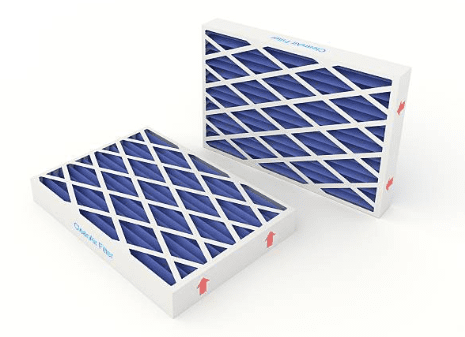
Indoor air quality (IAQ) has become a top priority for businesses and homeowners alike. Whether you manage an office, healthcare facility, school, or industrial space, the quality of the air circulating through your HVAC system directly affects comfort, productivity, and health. One of the easiest—and most cost-effective—ways to improve that air quality is by understanding and choosing the right air filter MERV rating.
At Comfort First Products, we specialize in advanced air diffusers and filtration systems that help commercial and residential buildings achieve cleaner, more efficient airflow. But before choosing a filter, it’s important to understand what the numbers behind the MERV rating for air filters actually mean—and how to decide between MERV 8 filters and MERV 13 filters.
What Does MERV Rating Mean?
The Minimum Efficiency Reporting Value (MERV) is a standardized scale developed by ASHRAE (the American Society of Heating, Refrigerating, and Air-Conditioning Engineers). It measures how effectively an air filter captures particles of varying sizes. In short, the higher the MERV number, the smaller the particles the filter can trap.
MERV ratings range from 1 to 20, covering everything from basic residential filters to hospital-grade filtration:
| MERV Rating | Particle Size (Microns) | Examples of Captured Particles | Typical Application |
| 1–4 | >10 µm | Dust, lint, carpet fibers | Basic residential |
| 5–8 | 3–10 µm | Mold spores, pet dander, dust mites | Offices, schools, residential |
| 9–12 | 1–3 µm | Legionella, lead dust, auto emissions | Commercial buildings |
| 13–16 | 0.3–1 µm | Bacteria, smoke, sneeze particles | Healthcare, laboratories |
| 17–20 | <0.3 µm | Viruses, combustion particles | Cleanrooms, surgical suites |
Comparing MERV 8 vs MERV 13 Air Filters
Filtration Efficiency
MERV 8 filters capture 70–85% of particles in the 3–10 micron range, including dust, mold spores, and pet dander. MERV 13 filters capture over 90% of particles down to 0.3 microns, effectively filtering out bacteria, smoke, and even some viruses.
Airflow and Energy Efficiency
Higher filtration levels mean denser materials, which can increase airflow resistance. MERV 8 filters allow more free airflow, reducing strain on your blower motor. MERV 13 filters may slightly restrict airflow if your HVAC system isn’t designed for high-efficiency filtration.
Cost and Maintenance
| Feature | MERV 8 Filter | MERV 13 Filter | Best For | Replacement Frequency |
| Particle Capture | 70–85% (3–10 µm) | 90%+ (0.3–1 µm) | Offices, homes | 3 months |
| Airflow Resistance | Low | Moderate | Healthcare, labs | 6 months |
| Energy Efficiency | High | Slightly reduced | Schools, clean environments | Varies |
| Average Cost | $5–10 each | $15–25 each | — | — |
Which MERV Rating Is Right for Your Space?
Offices and Commercial Buildings
For most offices, a MERV 8–11 filter offers the right mix of air cleanliness and system efficiency. Pairing a MERV 8 air filter with a Comfort First Filtered Diffuser helps employees breathe cleaner, more evenly distributed air.
Healthcare and Laboratories
Healthcare facilities, dental offices, and labs should use MERV 13 or higher filters to meet infection control and ASHRAE standards.
Educational or Industrial Spaces
Schools and industrial spaces often benefit from upgrading to MERV 13 filters to protect against pollution and fine particulates. California, for example, encourages MERV 13 standards for cleaner classroom and workplace air.
How to Check or Upgrade Your Air Filter
• Locate and identify the filter near the return air duct.
• Check the label for size and MERV rating.
• Replace MERV 8 filters every 2–3 months; MERV 13 filters every 6 months.
• Upgrade if needed—consult your HVAC technician.
• Add Comfort First diffusers for balanced airflow.
Frequently Asked Questions
- What is the best MERV rating for office HVAC systems?
Most offices perform best with MERV 8–11 filters, balancing cost, comfort, and energy efficiency.
- Does a higher MERV rating restrict airflow?
Higher MERV filters are denser, but modern systems handle MERV 13 without issue.
- Is a MERV 13 filter safe for all systems?
Most commercial and newer residential systems can safely use MERV 13 filters.
- How often should MERV filters be replaced?
MERV 8 air filters: every 2–3 months; MERV 13 filters: every 4–6 months.
- Are MERV filters better than HEPA filters?
HEPA filters capture smaller particles but need specialized systems; MERV 13 provides strong real-world performance.
Conclusion
Choosing the right air filter with the right MERV rating improves your building’s air quality, comfort, and efficiency. MERV 8 filters are great for everyday use, while MERV 13 filters offer better protection against airborne pollutants, bacteria, and viruses. Comfort First Products provides the diffusers and filters you need to keep your environment clean, healthy, and energy-efficient.